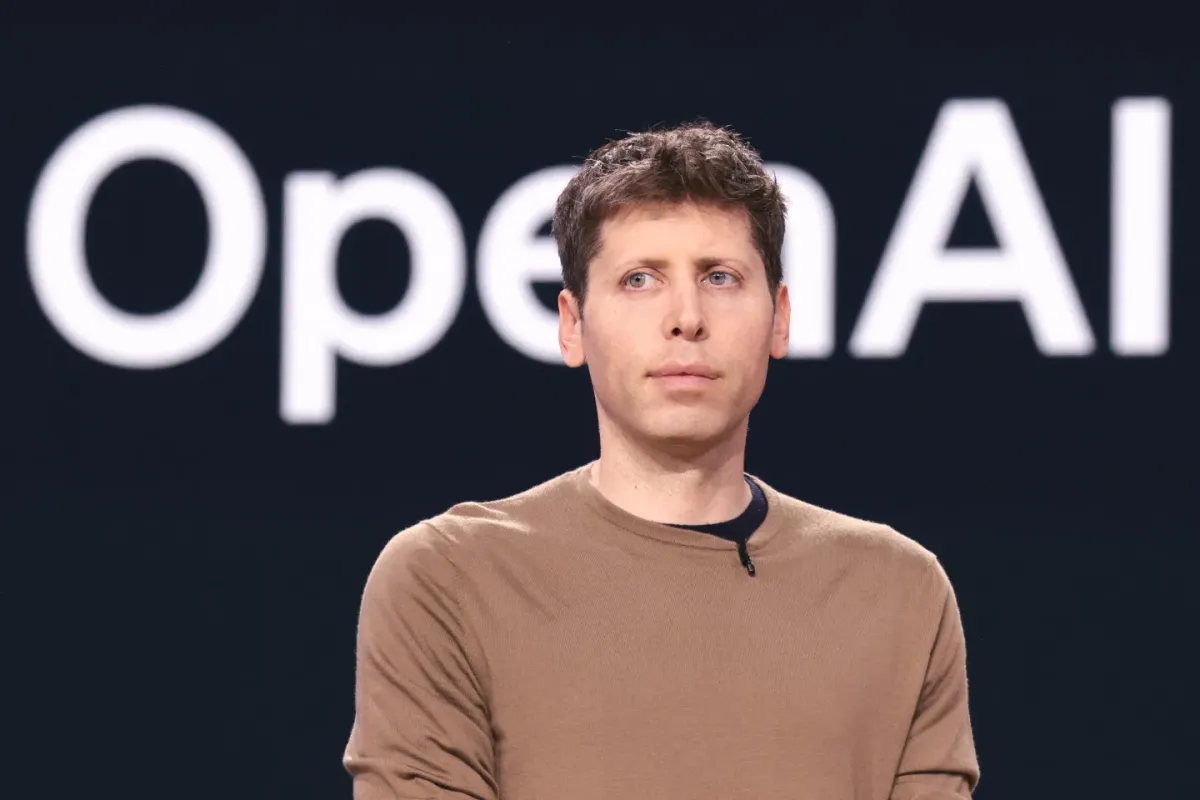



On April 10, 2026, reports revealed that a Molotov cocktail was thrown at OpenAI CEO Sam Altman’s San Francisco residence. The incident marks one of the most direct physical threats against a leading figure in the artificial intelligence industry to date.
According to the San Francisco Police Department (SFPD), the attack occurred around 3:45 AM at a North Beach residence linked to Altman. While the fire was contained to the exterior metal gate and self-extinguished, the suspect didn't stop there. Roughly an hour later, police were called to OpenAI’s Mission Bay headquarters, where a man matching the suspect’s description allegedly threatened to burn the building down, per multiple reports.
View our latest statement regarding an incident that occurred early this morning at a North Beach residence. Officers have made an arrest, and no injuries were reported as a result of this incident. pic.twitter.com/t4DsF31uxh
— San Francisco Police (@SFPD) April 10, 2026
The Suspect and the Charges
Authorities have identified the suspect as Daniel Alejandro Moreno-Gama, 20. He was taken into custody outside OpenAI's offices on Friday afternoon. Moreno-Gama now faces a string of felony charges, including:
- Attempted murder
- Arson of an inhabited structure
- Possession of an incendiary device
- Criminal threats
The "PauseAI" Connection
The case took a complex turn when it was revealed that Moreno-Gama had been active in AI safety circles. PauseAI, a non-profit advocacy group that campaigns for a halt on advanced AI development, confirmed the suspect had previously joined its public Discord server under the handle "Butlerian Jihadist."
In a formal statement on its website, PauseAI clarified its stance: “Violence against anyone is antithetical to everything we stand for. We wish safety and peace to Sam Altman, his family, and everyone affected. PauseAI exists because we believe everyone deserves to be safe.”
The group emphasised that Moreno-Gama had no official role in the organisation, stating he had posted only 34 messages and received a prior warning from moderators after posting an ambiguous message that read: “We are close to midnight, it's time to actually act.”
Altman’s Response: “Underestimating the Power of Narratives”
Hours after the attack, Altman addressed the incident in a personal blog post. He admitted he was “pissed” and had previously dismissed warnings that the heightened rhetoric around AI was making him a target.
“I am sharing a photo [of my family] in the hopes that it might dissuade the next person from throwing a Molotov cocktail at our house, no matter what they think about me,” Altman wrote.
He also connected the timing of the attack to a recent critical profile of him in The New Yorker, which he initially labeled as “incendiary.” While acknowledging the public's anxiety, he called for a shift in how society debates technology: “While we have that debate, we should de-escalate the rhetoric and tactics and try to have fewer explosions in fewer homes, figuratively and literally.”
The Cost of High-Profile Tech Security
The attack on Altman has renewed scrutiny on executive protection in the tech world. While OpenAI has not disclosed its specific security spend, recent filings from other tech giants provide a window into the costs of guarding founders. Elon Musk spent millions on security in 2025 following various threats. Meta’s security allowance for its CEO, Mark Zuckerberg, reportedly exceeds $20 million annually.
 Damilare Odedina